
 By
By 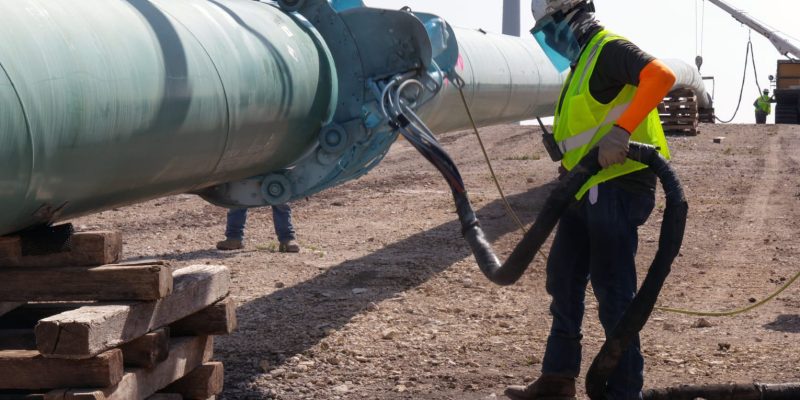
Pipelines operate in environments where moisture, soil minerals, industrial chemicals, and temperature shifts continuously interact with metal surfaces. These conditions gradually weaken exposed materials and lead to corrosion, abrasion, and structural deterioration. Protective coatings form a sealed barrier that shields pipeline surfaces from these external influences while preserving the integrity of the pipe wall.
Surface protection also includes the hardware used during pipeline installation. Components such as Poly-coated U-bolts for pipelines secure pipes to support structures while protecting coated surfaces from direct metal contact. When fastening systems and protective coatings function together, the pipeline structure remains stable, and surface damage risks decrease significantly.
Why Pipeline Surfaces Require Protective Coatings
Protective coatings serve as a physical barrier that blocks environmental exposure from reaching the metal substrate. This barrier interrupts corrosion reactions and protects the surface from mechanical wear caused by surrounding materials.
Pipelines frequently face several damaging conditions:
- Moisture Exposure – Water penetration initiates oxidation reactions that weaken the metal surface.
- Chemical Interaction – Soil salts, acids, and industrial substances react with exposed metal and create corrosion sites.
- Temperature Stress – Heat and cold cycles cause material expansion and contraction that stress unprotected surfaces.
- Mechanical Contact – Friction from soil particles, support brackets, or structural movement gradually wears away exposed metal.
Types Of Protective Coatings Used In Pipelines
Pipeline systems rely on several coating technologies that address environmental exposure and mechanical stress. Each coating material forms a protective layer that maintains surface stability and corrosion resistance.
Fusion Bonded Epoxy Coatings
Fusion-bonded epoxy coatings bond directly to the pipeline surface during the curing process. The hardened layer forms a tight seal that blocks moisture infiltration and shields the metal from chemical interaction. The coating also maintains strong adhesion under temperature fluctuations.
Polyethylene And Polypropylene Coatings
Thermoplastic coatings provide resistance against soil chemicals and mechanical abrasion. These coatings create a flexible yet durable outer shell that protects the pipeline surface in underground or submerged installations.
Bituminous Protective Layers
Bitumen-based coatings form a dense waterproof layer around the pipe surface. The coating isolates the metal from surrounding soil and moisture, reducing corrosion activity across buried pipeline systems.
Hardware Protection And Surface Stability
Pipeline coatings protect the pipe body, yet support hardware also affects the surface condition. Contact between metal supports and coated surfaces can create abrasion during installation or operational vibration. Poly-coated U-bolts for pipelines address this concern by adding a protective coating that cushions the contact area between the pipe and the support structure.
How Protective Hardware Supports Coating Integrity
- Surface Cushioning – Coated supports reduce friction that can damage protective layers.
- Stable Pipe Positioning – Secure fastening prevents movement that can wear the coating surface.
- Reduced Metal Contact – Protective layers on hardware limit direct interaction between metal components.
- Coating Preservation – Compatible installation hardware helps maintain the protective barrier along the pipeline surface.
Maintenance And Inspection Of Coated Pipelines
Protective coatings perform effectively when regular inspection programs monitor surface condition. Maintenance teams evaluate coating thickness, identify surface damage, and check support hardware for signs of wear.
Inspection procedures typically include visual surface checks, coating adhesion testing, and examination of fastening systems. Early detection of coating damage allows prompt repair before corrosion spreads across the pipeline surface.
Why Are Professional Services Important For Pipeline Support Installation?
Professional services ensure correct spacing, alignment, and load distribution when installing pipeline supports. Technicians assess pipe size, coating thickness, and structural requirements before securing hardware.
Maintenance specialists also inspect support hardware and protective layers during routine service checks. These inspections identify loose fasteners, coating damage, and early signs of surface stress around support points. Timely adjustments and hardware replacements help maintain coating integrity and support stability throughout long pipeline operating cycles.






Comments